Yeah, it’s a drive. From our Paoli shop you’re looking at roughly 45 minutes, and from Glenside closer to an hour. We know that’s not a quick after-work spin. But every time a rider comes in asking for something fast and flowy that won’t beat them up, White Clay Creek is where we send them, and almost every single time they come back asking why they hadn’t made the trip sooner. It’s worth the drive, we’ll stand behind that.
Why We Keep Sending Riders Here
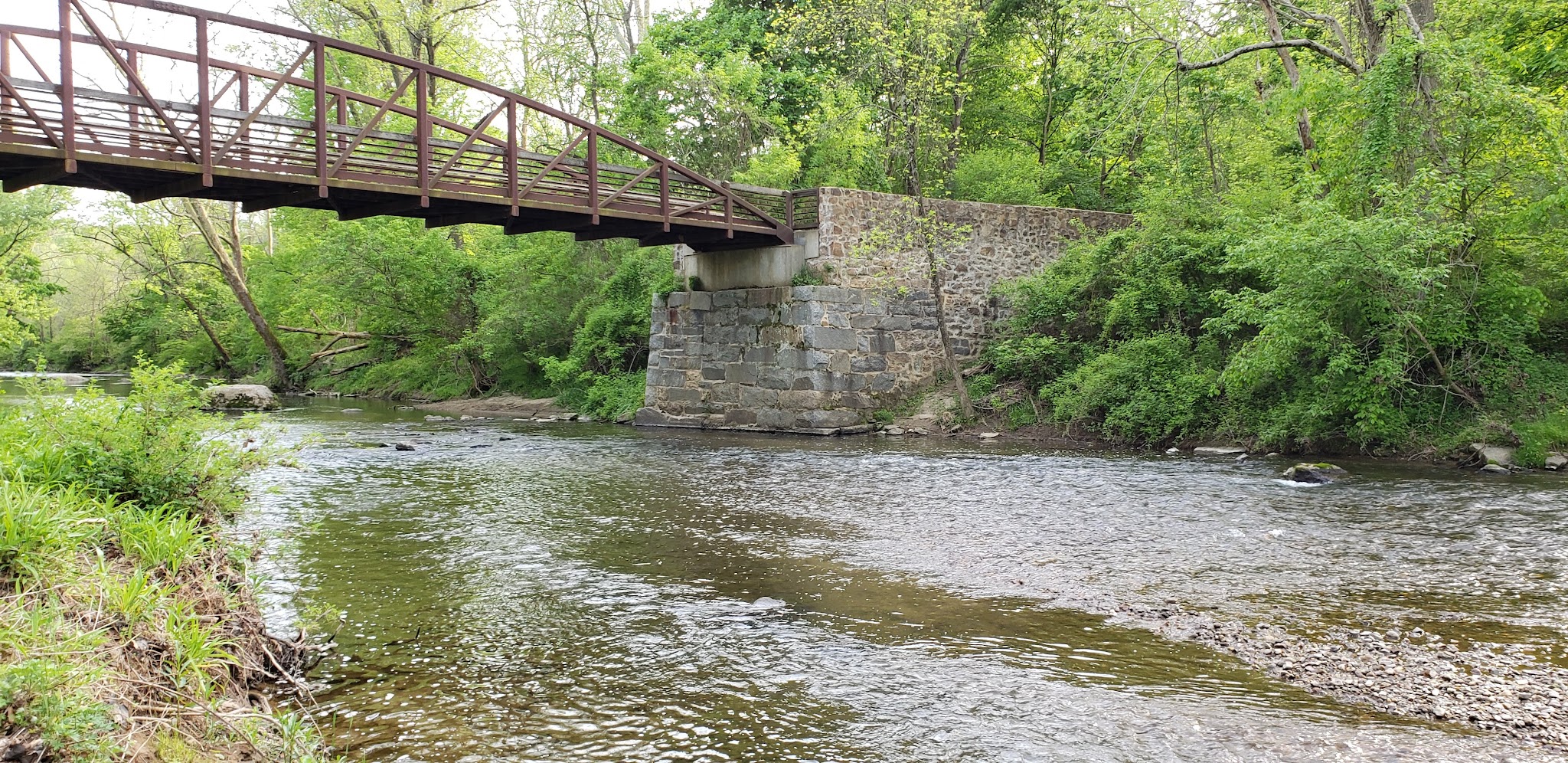
White Clay Creek State Park in Newark, Delaware connects directly into the White Clay Creek Preserve on the Pennsylvania side and the Middle Run Valley Natural Area. All told you’re looking at 37-plus miles of connected trail, and because the three areas link up, you can park at any one of them and reach the whole network. That’s a lot of ground to cover without repeating yourself, which is honestly rare this close to home.
What the Dirt Actually Feels Like
The surface is hard-packed clay, and it rides fast when it’s dry. Rolling, well-shaped, plenty of rhythm sections where you can just keep pedaling and let the bike run. It’s a good spot to work on line choice and cornering without constantly fighting the terrain for survival.
One thing worth knowing before you drive out: that clay surface turns into a different animal when it’s wet. It gets genuinely slick, not just slower, actually hard to control. Check trail conditions before you go, and if it rained in the last day or two, maybe pick a different trailhead for that ride.
Trails Worth Knowing By Name
If you’re newer to the area, here’s what you’re actually looking for on the map:
- Whitely Farms Trail: intermediate, rolling through open fields and forest, one of the more popular loops in the park.
- David English Trail: the longest single trail in the park, more advanced, roots and rocks mixed into a wooded loop.
- Bryan’s Field: a good connector loop that links toward Middle Run.
- Judge Morris Estate: single-track, packed earth, more technical with real hill climbs and fast descents.
- Middle Run / Lenape Trail: connects the whole system together and has its own skills area if you want to work on skinnies.
Start with Whitely Farms or the David English loop if it’s your first visit, then branch out once you’ve got a sense of how the trails connect.
Getting There and Where to Park
On the Delaware side, there’s a fee to park at the main lots, including the Nine Foot Road lot and the park office at 800 Thompson Station Road in Newark. If you’d rather skip the fee, Middle Run has a free day-use lot off Possum Hollow Road near the Tri-State Bird Rescue, and Paper Mill Park a couple miles north also connects into the system for free. Heads up that the free lots fill up fast on good-condition weekends, so get there early if you’re not paying for parking.
What We’d Have You Run
This terrain doesn’t ask for a big bike. A hardtail or a shorter-travel trail bike, somewhere in the 100 to 130mm range, is going to feel right at home here since you’re pedaling almost the entire time. Faster-rolling tires with decent side knobs make sense for the hardpack, and you can generally get away with a lighter casing than you’d want on a rockier system. Just remember what we said about the clay when it’s wet: that’s the one condition where more grip actually matters more than rolling speed. If you want the deeper dive on getting your suspension dialed in, we broke that down in an earlier post.
If you’re planning a trip out, swing by the shop first. We’ll get your tire setup dialed for fast hardpack, check your suspension, and make sure the bike’s ready for a full day of miles before you make the drive.
Plan Your Ride
White Clay Creek is one of our go-to recommendations for fast, flowy miles worth the drive. Check trail conditions, map your parking, and pull up the full network before you head out.
View on TrailforksAbout the Author
Anthony Folk
Anthony Folk is the owner of Keswick Cycle and Chenango Point Cycles. He’s been riding bikes for 35+ years and has spent 20 years in the industry fitting riders, racing at the professional level, and obsessing over suspension setup. If your fork doesn’t feel right, he probably has an opinion about why.
